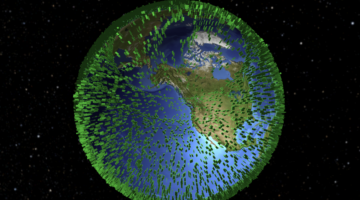
EXCLUSIVE: SpaceX given unique access to classified DoD space tracking data, sources say
Commercial space monitoring firms are concerned SpaceX's ability to use the best DoD data could threaten the market, sources tell Breaking Defense.
Commercial space monitoring firms are concerned SpaceX's ability to use the best DoD data could threaten the market, sources tell Breaking Defense.

Our number one priority right now is: How do we improve support to space control operations?" Col. Barry Crocker, head of Space Force Mission Delta 2 responsible for keeping tabs on on-orbit threats, told Breaking Defense

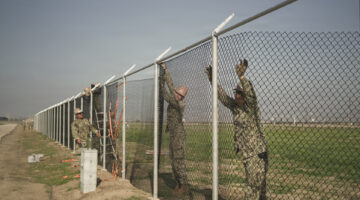
Traditional thinking about how to protect facilities must adapt to new threats such as drones or downstream attacks.

Separately, the Space Force plans to issue the first operational contracts for space domain awareness to commercial firms “very soon,” according to Space Force Col. Timothy Tremailo.

SPACECOM also is focusing on developing the baseline capabilities, such as space domain awareness and satellite communications, to undertake cislunar operations, said Gen. Stephen Whiting.
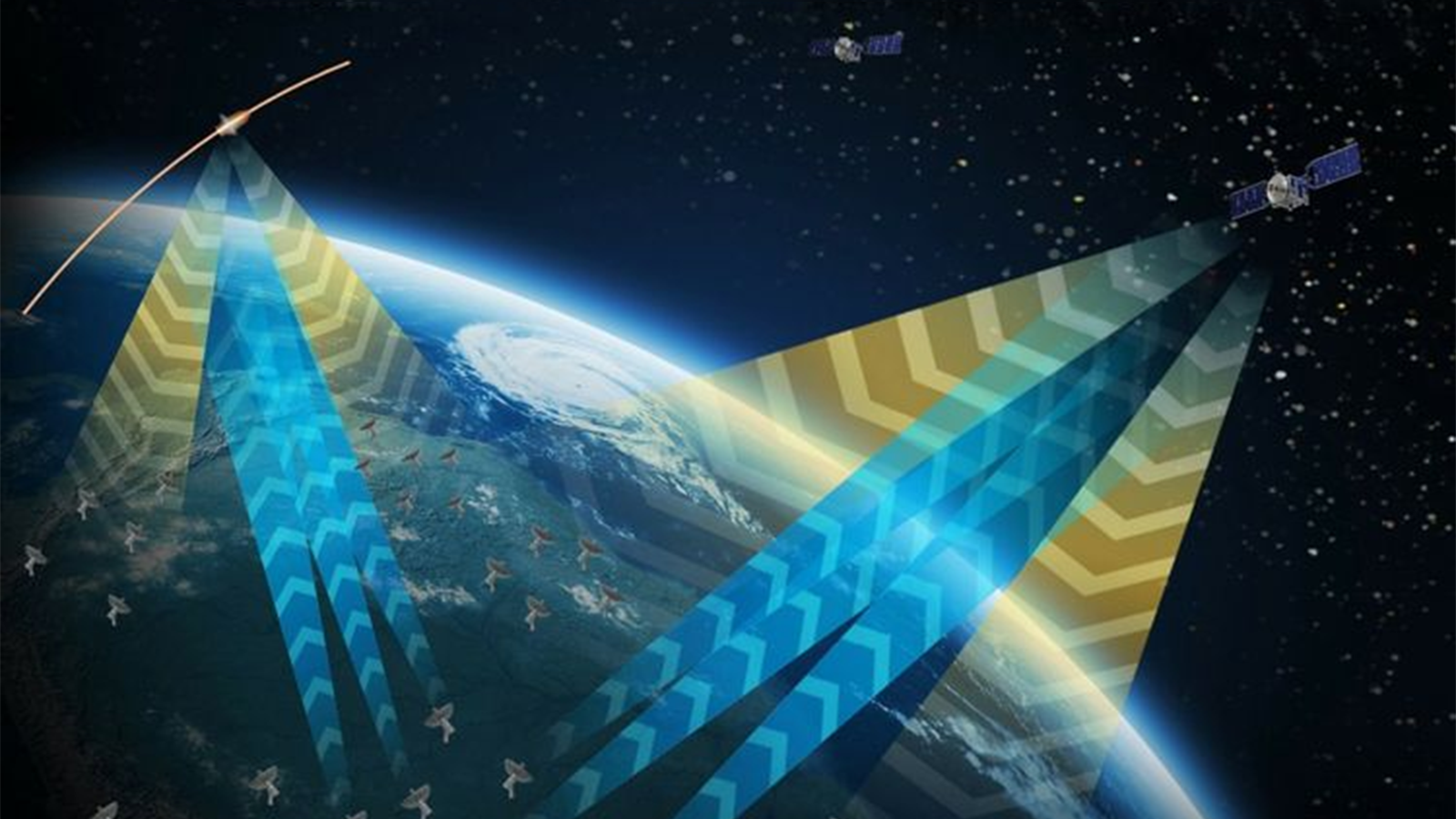
The Space Force expects the US site, the third and final one in the multi-nation DARC network, to complete civil construction in 2029, and begin operations in 2030.

The largest MoD investment detailed in the new strategy is a planned £880 million between 2026/2027 and 2029/2030 for intelligence, surveillance and reconnaissance, and space control "activities."

Explore how software, edge AI and resilient connectivity can strengthen military logistics in contested environments. Join Breaking Defense on Oct. 21 and earn 1 CPE credit.
The data from the hosted payloads on QZS-7 and its predecessor QZS-6 will feed into the US Space Surveillance Network operated by the 18th Space Defense Squadron.
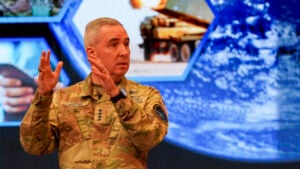
"We’re a combatant command and we fight to win wars," US Space Command chief Gen. Stephen Whiting told the annual Army SMD conference.
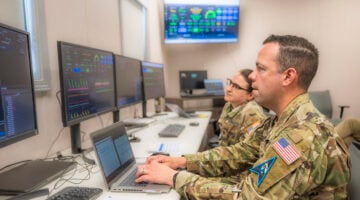
Gen. Greg Gagnon, head of Space Force Combat Forces Command, said a number of key mission areas face a serious lack of simulators needed for training Guardians.

The Space Force's TacRS program has at least three more Victus demonstration projects in the works, with a total of $300 million requested from fiscal 2027 to 2031.

AI is reshaping the Army’s approach to cyber, electronic warfare and command and control. At TechNet Augusta 2026, leaders outlined how they’re turning emerging technology into capabilities for the battlefield.
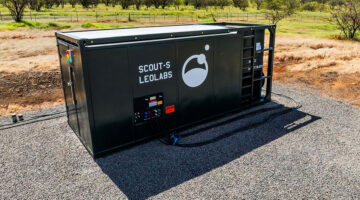
The new Scout-S radar will remain operational after Valiant Shield ends July 1, and already is contributing data to LeoLab's space monitoring network, the company said.
Gen. Stephen Whiting told the Mitchell Institute today that SPACECOM also plans to continue its Apollo Insights table-top exercises with commercial industry on a quarterly basis this year.

The Andromeda IDIQ contract vehicle will fund a replacement for the current GSSAP on-orbit inspection satellites as well as the classified SILENTBARKER space surveillance birds.
Space RCO is already looking to start a follow-on effort to build smaller threat warning sensors for a wider set of Space Force birds.